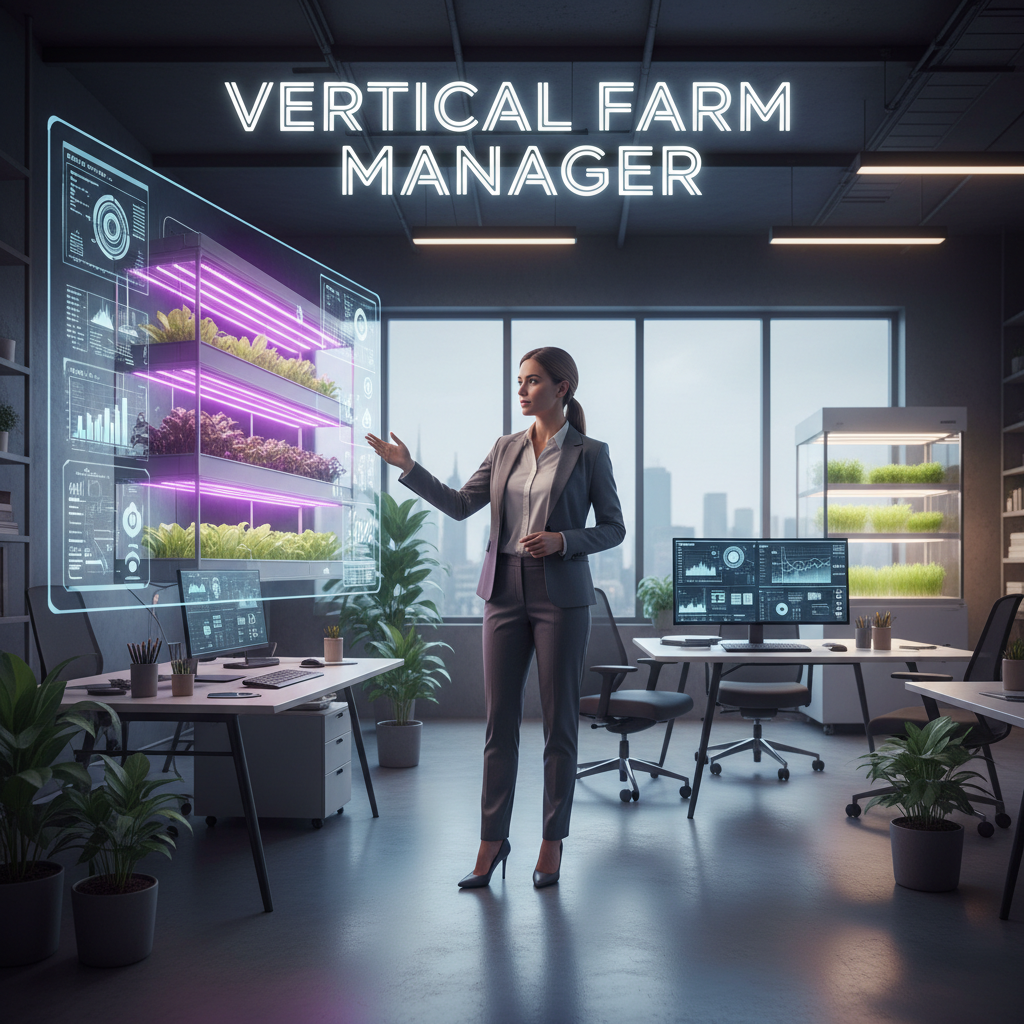
Unlock Your Green Career: Become a Vertical Farm Manager in 2025
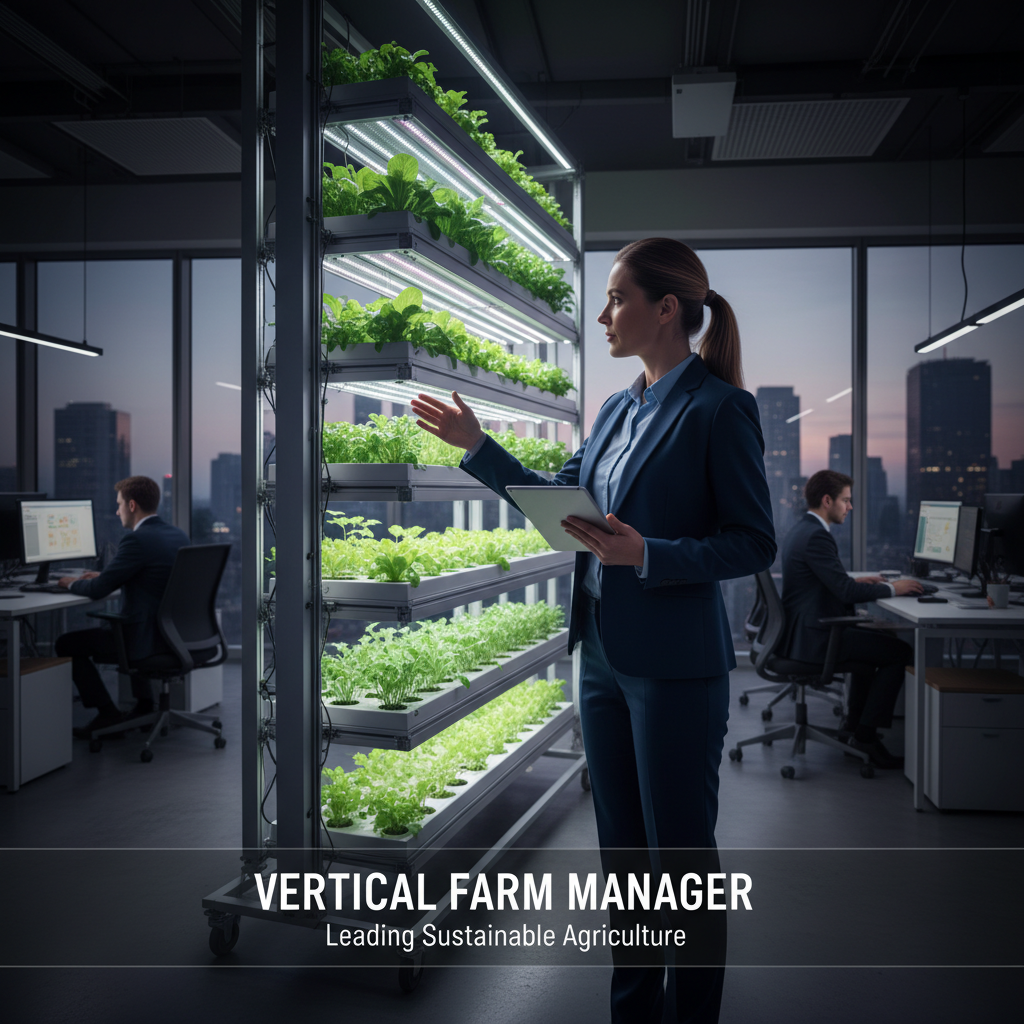
Are you passionate about sustainable agriculture, cutting-edge technology, and shaping the future of food production? The role of a Vertical Farm Manager is not just a job; it’s a calling to innovate, cultivate, and lead in one of the most exciting sectors of modern agriculture. As the world grapples with climate change, population growth, and the demand for fresh, local produce, vertical farming emerges as a powerful solution. This comprehensive guide will delve deep into what it takes to excel as a Vertical Farm Manager, highlighting the responsibilities, required skills, career prospects, and how you can apply to be at the forefront of this green revolution in 2025.
What Exactly Does a Vertical Farm Manager Do?
A Vertical Farm Manager is the operational heartbeat of an indoor farming facility. Unlike traditional farm managers who deal with vast outdoor fields, you’ll be overseeing a multi-layered, climate-controlled environment where crops grow stacked vertically. Your primary objective is to ensure the efficient, sustainable, and profitable production of high-quality crops. This involves a unique blend of horticultural expertise, technological prowess, and strong leadership skills to manage both sophisticated systems and a dedicated team.
Why Vertical Farming is the Future of Agriculture
The rise of vertical farming is no fleeting trend; it’s a fundamental shift in how we grow food. This innovative approach offers numerous advantages:
- Space Efficiency: Growing upwards allows for significantly more produce per square foot compared to conventional farming.
- Water Conservation: Recirculating hydroponic or aeroponic systems use up to 95% less water.
- Pest and Disease Control: Controlled environments drastically reduce the need for pesticides and herbicides.
- Year-Round Production: Weather conditions become irrelevant, ensuring consistent supply regardless of season.
- Reduced Food Miles: Farms can be located in urban centers, delivering fresher produce with a smaller carbon footprint.
As a Vertical Farm Manager, you’re not just growing plants; you’re cultivating a more sustainable, resilient food system.
Key Responsibilities of a Vertical Farm Manager
The role is incredibly diverse and demanding, requiring a hands-on approach and strategic oversight. Your daily tasks might include:
- Crop Management: Overseeing the entire crop cycle from seeding to harvest, including nutrient delivery, pH balancing, environmental monitoring (temperature, humidity, CO2 levels), and light spectrum optimization.
- Technology Integration: Managing and troubleshooting advanced systems such as automated irrigation, climate control sensors, LED lighting arrays, and potentially robotic harvesting or seeding equipment. Understanding IoT in farming is crucial.
- Team Leadership and Development: Recruiting, training, and supervising farm technicians and operational staff, fostering a positive and productive work environment.
- Operational Efficiency: Implementing best practices to maximize yield, minimize waste, and reduce energy consumption. This includes data analysis to identify areas for improvement.
- Quality Control: Ensuring all produce meets stringent quality standards for taste, appearance, and food safety.
- Budget Management: Monitoring operational expenses, managing inventory of consumables (seeds, nutrients), and contributing to financial planning.
- Research and Development: Staying abreast of the latest advancements in controlled environment agriculture (CEA) and experimenting with new crop varieties or growing techniques.
- Compliance: Ensuring adherence to all health, safety, and environmental regulations.
Essential Qualifications and Skills for Success
To thrive as a Vertical Farm Manager, you’ll need a robust blend of academic knowledge and practical experience:
Educational Background:
- A Bachelor’s or Master’s degree in Agronomy, Horticulture, Plant Science, Agricultural Engineering, Environmental Science, or a closely related field is often preferred.
- Certifications in Controlled Environment Agriculture (CEA) or hydroponics can be a significant advantage.
Technical Skills:
- Hydroponics/Aeroponics Expertise: Deep understanding of various soilless growing techniques.
- Environmental Control Systems: Proficiency in managing HVAC, lighting, and CO2 injection systems.
- Data Analysis: Ability to interpret sensor data, yield metrics, and environmental parameters to make informed decisions.
- Basic Electrical/Mechanical Knowledge: For minor troubleshooting of farm equipment.
- Software Proficiency: Experience with farm management software, climate control interfaces, and standard office applications.
Soft Skills:
- Leadership: Ability to inspire, motivate, and manage a diverse team.
- Problem-Solving: Quick and effective resolution of operational challenges.
- Attention to Detail: Meticulous monitoring of plant health and environmental conditions.
- Communication: Clear and effective interaction with staff, management, and suppliers.
- Adaptability: Readiness to embrace new technologies and evolving agricultural practices.
- Sustainability Mindset: A genuine commitment to environmentally responsible farming.
Career Path and Growth Opportunities
Starting as a Vertical Farm Manager can open doors to various senior roles within the agri-tech sector. You might progress to:
- Regional Farm Operations Manager
- Director of Agriculture
- Head of R&D for CEA
- Consultant in Vertical Farming
- Entrepreneur in Agri-Tech
The industry is expanding rapidly, promising ample opportunities for professional development and specialization.
Salary Expectations for a Vertical Farm Manager in 2025
The salary for a Vertical Farm Manager can vary significantly based on factors such as location, the size and scale of the farm, the specific crops being grown, and your level of experience and expertise. Generally, this specialized role commands a competitive salary. In 2025, you can expect a salary range that reflects the advanced skills and responsibilities involved in managing high-tech agricultural operations.
How to Stand Out as a Vertical Farm Manager Applicant
Competition for these cutting-edge roles can be keen. Here’s how to make your application shine:
- Highlight Practical Experience: Emphasize any hands-on experience with hydroponics, aeroponics, or greenhouse management. Even home-based vertical gardening projects can showcase passion.
- Showcase Technical Acumen: Detail your experience with farm automation software, environmental control systems, and data analytics tools.
- Demonstrate Leadership: Provide examples of how you’ve managed teams, solved problems, or improved efficiency in previous roles.
- Continuous Learning: Mention any relevant certifications, workshops, or industry conferences you’ve attended.
- Tailor Your Resume and Cover Letter: Customize them for each specific job opening, using keywords from the job description.
- Network: Connect with professionals in the vertical farming community through industry events or online platforms.
The Impact of Your Role on Global Food Security
As a Vertical Farm Manager, your work extends beyond just growing plants. You are a crucial part of the global effort to enhance food security, reduce environmental impact, and provide communities with fresh, nutritious food locally. It’s a role with immense purpose and the potential to make a tangible difference in the world.
Ready to Cultivate Your Future?
The demand for skilled Vertical Farm Managers is set to grow exponentially as the vertical farming industry continues its rapid expansion. If you are ready to merge your passion for agriculture with innovative technology, lead a dedicated team, and contribute to a sustainable future, then this could be your dream role. Explore the latest recruitment notifications, prepare your application, and step into a career that truly makes a difference. Don’t miss the opportunity to shape the future of food—apply to be a Vertical Farm Manager in 2025!