
Unmasking Deceit: Your Opportunity as a Crypto Fraud Detection Specialist
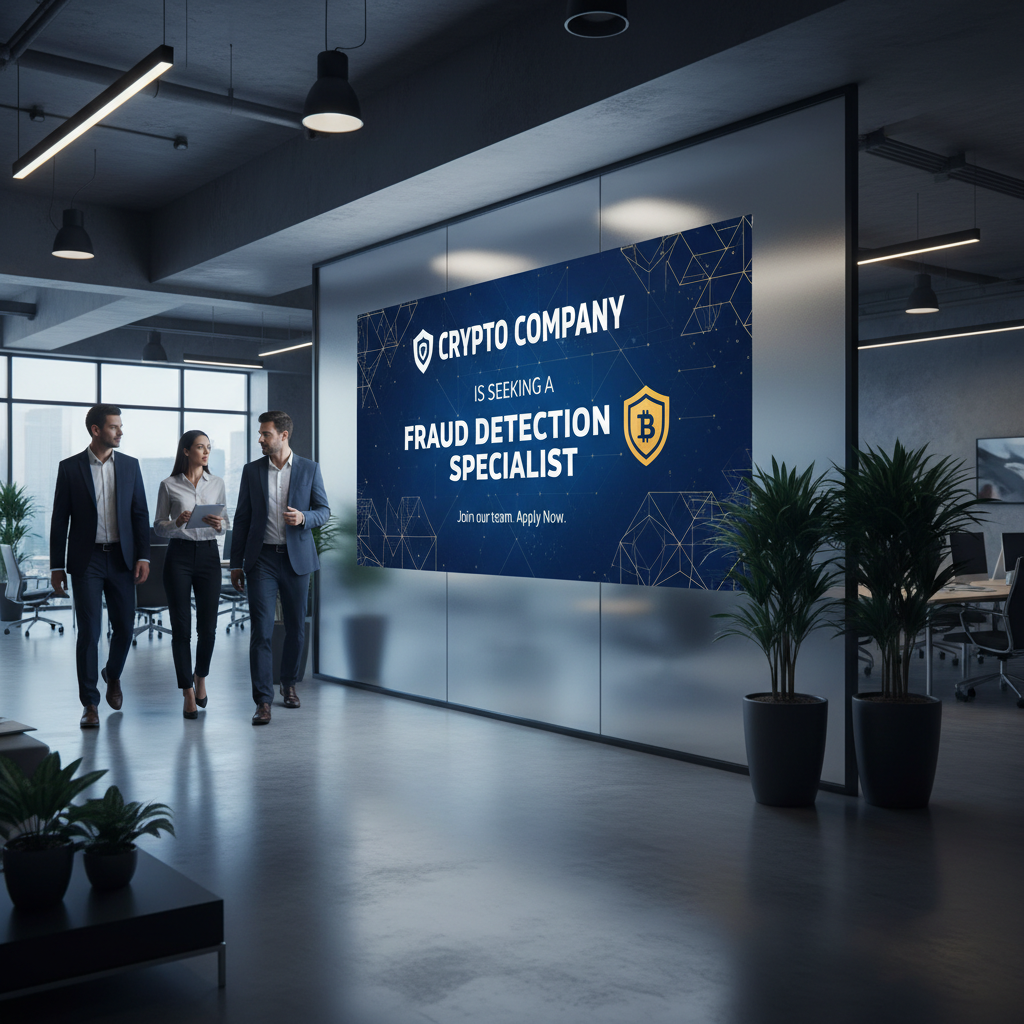
In the exhilarating yet often volatile world of cryptocurrency, innovation and opportunity abound. However, with great innovation comes a new frontier for financial crime. As the digital asset ecosystem expands, so too does the sophistication of fraudulent activities, making the role of a Crypto Fraud Detection Specialist not just important, but absolutely critical. If you possess a keen analytical mind, a passion for blockchain technology, and an unwavering commitment to combating financial crime, a leading crypto company is actively seeking a dedicated professional to join their ranks. This is more than just a job; it’s a call to arms for those ready to safeguard the future of finance.
This comprehensive guide delves into why this role is pivotal, what it entails, the skills required, and how you can position yourself as the ideal candidate for this high-impact position in 2026. Prepare to apply online for a role that offers significant career growth and a competitive salary package.
The Evolving Threat Landscape in Cryptocurrency
The very attributes that make cryptocurrencies revolutionary – decentralization, pseudonymity, and speed – also present unique challenges for fraud detection. Traditional financial systems have established protocols and regulatory bodies, but the crypto space is still maturing, constantly evolving, and largely borderless. This environment creates fertile ground for various forms of fraud, including:
- Rug Pulls: Developers abandon a project after raising funds, taking investors’ money.
- Phishing Scams: Deceptive attempts to acquire sensitive information, often through fake websites or malicious links.
- Ponzi Schemes: Fraudulent investment operations where returns are paid to earlier investors from later investors’ funds.
- Identity Theft: Compromising private keys or account access.
- Money Laundering: Using cryptocurrencies to obscure the origins of illicit funds.
- Exploits on DeFi Protocols: Vulnerabilities in smart contracts or decentralized applications leading to significant losses.
- Exchange Hacks: Cyberattacks targeting cryptocurrency exchanges, resulting in theft of user funds.
These threats necessitate a robust and proactive fraud detection strategy, led by experts who understand both traditional financial crime and the nuances of blockchain technology. This is precisely where a skilled Crypto Fraud Detection Specialist shines, becoming an indispensable asset in the fight against financial malfeasance.
What Does a Crypto Fraud Detection Specialist Do?
At its core, a Fraud Detection Specialist in the crypto industry is the first line of defense against illicit activities. Your mission will be to identify, investigate, and prevent fraudulent transactions and behaviors within the company’s cryptocurrency platforms. This involves a blend of technical expertise, analytical prowess, and a deep understanding of financial regulations like Anti-Money Laundering (AML) and Know Your Customer (KYC).
The role is dynamic and requires continuous learning, as new fraud patterns emerge with startling regularity. You’ll be using cutting-edge tools and methodologies to protect both the company and its users from sophisticated scams and financial abuses.
Core Responsibilities and Day-to-Day Tasks
A typical day for a Crypto Fraud Detection Specialist is far from routine. It involves a multi-faceted approach to security and compliance. Here’s a detailed look at the key responsibilities:
- Transaction Monitoring and Analysis: Continuously monitor high-volume cryptocurrency transactions for unusual patterns, anomalies, or suspicious activities that could indicate fraud, money laundering, or other illicit behaviors. This often involves using specialized blockchain analytics tools.
- Investigative Research: Conduct in-depth investigations into flagged transactions, accounts, or user behaviors. This includes gathering evidence, tracing funds across blockchain networks, and collaborating with internal teams (e.g., legal, compliance, engineering) and external entities (e.g., law enforcement) when necessary.
- Fraud Prevention Strategy Development: Proactively identify emerging fraud trends and vulnerabilities specific to the crypto landscape. Develop and implement new fraud detection rules, algorithms, and prevention strategies to mitigate risks.
- Data Analysis and Reporting: Utilize data analysis techniques to identify complex fraud schemes. Prepare comprehensive reports on investigation findings, risk assessments, and compliance breaches for management and regulatory bodies.
- Tool and System Optimization: Work with product and engineering teams to enhance and optimize fraud detection systems, machine learning models, and analytical tools.
- Regulatory Compliance: Ensure all fraud detection and prevention activities adhere to relevant AML, KYC, sanctions, and other financial regulations. Stay informed about changes in local and international regulations pertaining to cryptocurrencies.
- User Education and Support: Assist in developing educational materials for users on how to protect themselves from common crypto scams and provide expert advice on complex fraud-related inquiries.
- Collaboration and Training: Provide training and guidance to other team members on fraud detection best practices and new threat vectors.
This role demands a meticulous eye for detail, a relentless curiosity, and the ability to connect seemingly unrelated data points to uncover complex schemes.
Essential Skills and Qualifications for Success
To excel as a Crypto Fraud Detection Specialist, a diverse skill set spanning technical knowledge, analytical capabilities, and ethical integrity is crucial. Here are the key qualifications and skills that top crypto companies seek:
Educational Background:
- Bachelor’s degree in Finance, Computer Science, Cybersecurity, Criminology, Data Science, or a related quantitative field. A Master’s degree is often preferred and can significantly enhance your application.
- Relevant Certifications: Professional certifications such as Certified Anti-Money Laundering Specialist (CAMS), Certified Fraud Examiner (CFE), or similar cybersecurity and blockchain certifications are highly advantageous.
Technical Skills:
- Deep Understanding of Blockchain & Cryptocurrencies: In-depth knowledge of various blockchain protocols (e.g., Bitcoin, Ethereum), smart contracts, DeFi, NFTs, and different types of cryptocurrencies.
- Blockchain Analytics Tools: Proficiency with leading blockchain forensics and analytics platforms (e.g., Chainalysis, Elliptic, TRM Labs, Arkham Intelligence) for tracing funds and identifying suspicious activity.
- Data Analysis & Programming: Strong skills in data analysis, including experience with SQL, Python (for scripting, data manipulation, and analysis), and statistical tools.
- Fraud Detection Systems: Experience with fraud management systems, risk scoring models, and transaction monitoring tools.
- Cybersecurity Fundamentals: Basic understanding of cybersecurity principles, network security, and common attack vectors.
Analytical & Investigative Skills:
- Critical Thinking & Problem Solving: Ability to analyze complex data sets, identify patterns, and draw logical conclusions from incomplete information.
- Attention to Detail: Meticulous approach to reviewing transactions and documentation to spot anomalies.
- Investigative Mindset: A natural curiosity and persistence in uncovering the truth, following leads, and building comprehensive cases.
Regulatory & Compliance Knowledge:
- AML/KYC Expertise: Strong knowledge of Anti-Money Laundering (AML) and Know Your Customer (KYC) regulations, FATF guidelines, and other relevant financial crime compliance frameworks.
- Regulatory Awareness: Staying abreast of global cryptocurrency regulations and their impact on fraud detection.
Soft Skills:
- Communication: Excellent written and verbal communication skills to articulate complex findings to both technical and non-technical audiences, prepare detailed reports, and collaborate effectively.
- Ethical Conduct: Unwavering integrity and a strong ethical compass are paramount in this role.
- Adaptability: The crypto landscape changes rapidly, requiring individuals who can quickly adapt to new technologies, threats, and regulations.
Why This Crypto Opportunity Is Unmissable
Becoming a Crypto Fraud Detection Specialist in 2026 offers unparalleled career prospects and an exciting professional journey. Here’s why this recruitment notification is one you shouldn’t overlook:
- Pioneering Industry: You’ll be working at the forefront of financial technology, contributing to the security and integrity of a nascent but rapidly growing industry.
- High Demand: The demand for skilled professionals in blockchain security and financial crime prevention is soaring, leading to excellent job security and competitive compensation packages.
- Impactful Work: Your contributions will directly protect users, maintain market integrity, and build trust in the crypto ecosystem.
- Continuous Learning & Growth: The dynamic nature of crypto fraud means you’ll constantly be learning new techniques, tools, and strategies, fostering significant professional development.
- Competitive Salary: Crypto companies recognize the value of top talent in this niche, offering attractive salaries and benefits. This role offers an opportunity for a top salary commensurate with your expertise.
Crafting Your Winning Application: Tips for Success
Ready to apply online for this challenging yet rewarding position? Here are some actionable tips to help you stand out:
- Tailor Your Resume and Cover Letter: Don’t just submit a generic application. Customize your resume to highlight experience in fraud detection, cybersecurity, financial analysis, or blockchain technology. Your cover letter should explicitly state your passion for crypto security and how your skills align with the specific requirements of a Fraud Detection Specialist.
- Showcase Crypto Knowledge: Provide examples of your involvement or understanding of the crypto space. Mention any personal projects, certifications, or even participation in crypto communities that demonstrate your familiarity with the ecosystem.
- Highlight Analytical & Investigative Skills: Use specific examples from past roles where you’ve analyzed complex data, identified anomalies, or conducted investigations. Quantify your achievements whenever possible (e.g.,